Introduction: The Evolving Landscape of Television in South Africa
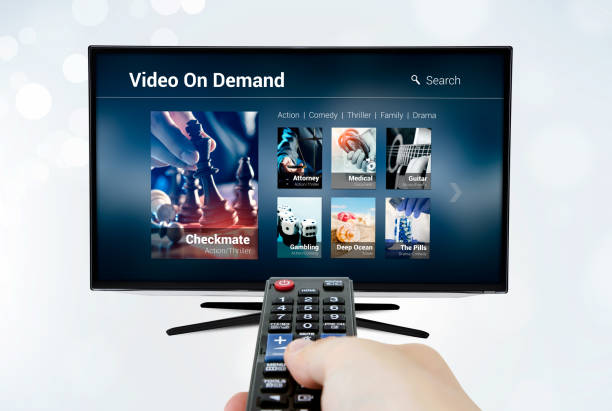
Significant changes have occurred in how South Africans watch TV. IPTV's emergence is increasingly challenging traditional broadcasting, which was once dominant. IPTV, a technology that delivers television content over internet protocol networks, offers a new paradigm for media consumption, moving beyond the limitations of conventional broadcasting to provide a more flexible, personalized, and interactive viewing experience.
Our comprehensive guide aims to simplify IPTV for the South African audience. We'll explore IPTV's definition, functionality, pros and cons, and its legal status in South Africa. Furthermore, we will explore the prominent IPTV providers and applications available to South African consumers, discuss the crucial aspects of security and privacy, and cast an eye towards the future of IPTV and its broader impact on the media industry in the region. Grasping these aspects is vital for navigating South Africa's changing digital TV scene.
What is IPTV?
Core Concepts and Definitions
IPTV, an acronym for Internet Protocol Television, is a system through which television services are delivered using the Internet Protocol suite over a packet-switched network, such as a local area network (LAN) or the internet, instead of traditional terrestrial, satellite signal, and cable television formats. Simply put, it's TV over your internet connection.
IPTV operates differently from traditional broadcasting, where content is sent over airwaves or cables and viewers watch scheduled programs. Viewers request IPTV content, which is then delivered as digital data packets to their devices. This enables a more interactive and on-demand experience.
The primary characteristics of IPTV are:
- Private Network Streaming: Legitimate IPTV services often use a managed, private network for delivery, even though public internet operation is possible. This allows the service provider to control the quality of service (QoS) and ensure a consistent, high-quality viewing experience, free from the congestion issues often associated with the public internet.
- Digital Signal Transfer: All content, whether live or on-demand, is converted into digital data and transmitted as IP packets. Higher quality video and audio, including HD and UHD/4K, are possible with this digital format.
- User Engagement: IPTV platforms often offer enhanced interactive features that are not typically available with traditional television. Features include EPG, VOD, time-shifted TV, and even interactive advertising or shopping.
Three main content types are usually offered by IPTV services:
- Live Television: This is similar to traditional linear TV broadcasting, where channels are watched in real-time as they are broadcast. It covers news, sports, and general entertainment channels.
- VOD Library: Users can select and watch video content from a media library at their convenience. Offering movies, series, and documentaries on demand, this significantly differs from traditional TV.
- Time-Shifted TV: This feature allows viewers to watch programs that were broadcast earlier at a later time. It frequently offers catch-up TV, enabling access to programs aired hours or days ago.
Accessing IPTV requires a reliable internet connection and a compatible device. This can include smart TVs with built-in IPTV apps, dedicated IPTV set-top boxes, computers, tablets, or smartphones. Set-top boxes are particularly common for converting the internet-delivered digital signals into a format that can be displayed on standard televisions, often connecting via HDMI or AV cables and to the internet via Wi-Fi or Ethernet. Inherently capable of processing internet protocol data, computers and mobile devices can often access IPTV streams directly without additional hardware.
IPTV's Inner Workings: A Technical Dive
How IPTV Delivers Content
The operational principle of IPTV is fundamentally rooted in the internet's data transmission infrastructure. IPTV delivers content as digital packets over the internet, unlike traditional broadcasting that uses analog signals via radio waves or coaxial cables. Let's look at the process:
- Digitizing Content: The IPTV service provider initially acquires television broadcasts and other media content. These analog signals are then digitized, compressed, and encoded into IP packets. This stage is crucial for the quality and efficiency of the broadcast.
- Content Storage and Handling: Digitized content resides on the IPTV service provider's servers. Live broadcasts are processed instantly, and VOD content is stored for on-demand user access. These servers are designed with high capacity and robust security to ensure uninterrupted service to thousands of concurrent users.
- User Request and Data Transmission: When a user selects content to watch via their IPTV-compatible device, this request is sent over the internet to the service provider's servers. The server processes the request and starts sending the content as IP packets to the user's device.
- Streaming and Viewing: The IP packets are securely delivered to the user over the service provider's managed network, often utilizing protocols like Real-Time Streaming Protocol (RTSP). The user's device (IPTV set-top box, smart TV, or computer) then decodes these packets, converting them back into audio and video signals for playback on the screen.
Seamless operation requires the user's TV to interpret internet protocol signals. Since most standard televisions lack this inherent capability, an **IPTV set-top box** is typically required to use IPTV services. Acting as translators, these boxes convert internet digital signals into a displayable format for standard televisions. IPTV boxes typically connect to TVs via HDMI or AV cables, and to the internet via Wi-Fi or Ethernet. Computers and mobile devices can often access IPTV streams directly, as they inherently process internet protocol data, requiring no extra hardware.
The Ups and Downs of IPTV in South Africa
Advantages:
- Flexibility and Content Variety: Compared to traditional television, IPTV offers considerably more flexibility. Users can watch desired content at their convenience on any device, thanks to live broadcasts, VOD, and time-shifted TV. A highly personalized viewing experience is thus provided.
- Interactive Capabilities: Unlike traditional television, IPTV platforms have the potential to offer interactive features. Advanced EPGs, content search, personalized recommendations, and even interactive advertising or shopping options can be included.
- High Picture and Sound Quality: Because content is delivered digitally over internet infrastructure, IPTV generally provides high-resolution (HD, Full HD, 4K) and superior audio quality. Compared to traditional analog broadcasts, viewers can enjoy clearer and sharper images.
- Tailored Viewing: Many IPTV services allow users to create individual profiles and receive personalized content recommendations based on their viewing habits. This enhances the overall user experience.
- Broad Device Compatibility: Smart TVs, computers, tablets, smartphones, and dedicated IPTV set-top boxes can all display IPTV broadcasts. This mobility allows users to access content even when on the go.
- Time-Shifted Viewing: Pausing, rewinding, or recording live broadcasts allows users to watch programs at their convenience. For individuals with busy lifestyles, this is a significant convenience.
Disadvantages:
- Connectivity Requirement: IPTV relies completely on a stable and sufficiently fast internet connection. Insufficient bandwidth, unstable connectivity, or internet outages can negatively impact broadcast quality or lead to complete service disruption. For high-resolution content, a strong and fast internet connection is crucial.
- Lag Issues: Compared to traditional broadcasts, internet data transmission can introduce a degree of latency. This can slightly affect the real-time viewing experience, particularly for live events like sports matches.
- Risk of Illegal Usage: Although IPTV technology is legal, platforms infringing on copyright and distributing unauthorized content can utilize it. It is crucial for users to avoid such illegal services to prevent legal issues and protect themselves from cybersecurity risks.
- Upfront Investment: Accessing IPTV services may sometimes require an initial investment in additional hardware, such as a dedicated IPTV set-top box or a compatible smart television. The initial cost can be increased by this.
- Dependence on Service Provider: For content and service quality, users are heavily dependent on the IPTV service provider. The overall user experience is directly influenced by the provider's infrastructure, content agreements, and customer support.
- Digital Security Threats: Illegal IPTV services can pose cybersecurity risks, including malware infections or phishing attacks. It is therefore vitally important to choose reliable and licensed service providers.
When used correctly and legally, IPTV's convenience and personalized experience are highly appealing, considering its pros and cons. However, factors such as internet connection quality and adherence to legal regulations are crucial elements that directly impact the user experience.
The Legal Status of IPTV in South Africa
Understanding Lawful and Unlawful IPTV
IPTV offers convenience and diverse content, but its legal status in South Africa is often debated. Fundamentally, using IPTV itself is not a crime. However, the technology's purpose and the content accessed determine its legality.
Legal IPTV Services in South Africa:
South Africa has several legal and licensed IPTV services. Operating under agreements with broadcasters and content owners, these services provide legally acquired content to users. Typically, such platforms are subscription-based, requiring a fee from users for their services. Here are examples of legal IPTV services in South Africa:
- DStv Now by MultiChoice: DStv Now, an OTT streaming service from MultiChoice, delivers content over the internet, despite MultiChoice being primarily a satellite broadcaster. It enables subscribers to watch live TV channels, sports, movies, and series on various devices, establishing it as a legal and widely used IPTV-like service in South Africa.
- Showmax (MultiChoice): Showmax, another MultiChoice product, is a VOD service with a large library of local and international movies, series, and documentaries. It operates entirely over the internet and is a fully legal streaming platform.
- Other Legal Streaming Services: These global streaming giants operate legally in South Africa, offering extensive libraries of licensed content over the internet. Though technically OTT services, their internet protocol delivery broadly categorizes them as legal IPTV.
Using these platforms and paying their subscription fees to watch content is entirely legal and poses no legal issues.
Unlawful IPTV Use and Penalties in SA:
The misuse of IPTV technology, specifically watching or distributing content through platforms that infringe on copyright or broadcast without authorization, carries serious legal consequences in South Africa. Illegal IPTV services usually provide paid channels or content for very low prices or free. These services copy and distribute content without the consent of the broadcasters or content owners.
Internet piracy in South Africa, encompassing unauthorized distribution and consumption of copyrighted content through illegal IPTV, is a serious offense. Even as specific IPTV legislation evolves, existing laws on copyright infringement and cybercrime are applicable.
Reports from MyBroadband and other sources indicate that individuals engaged in internet piracy in South Africa may face substantial penalties:
- Penalties for Users: Direct prosecution of individual users may be less common than targeting providers, but users are still complicit in copyright infringement. Fines and even imprisonment can be penalties. For instance, some reports suggest fines of R5,000 or three years' jail time for first-time offenders, with increased penalties for repeat offenders (R10,000 fine or more).
- Consequences for Providers: Much more severe penalties await those who operate or facilitate illegal IPTV services. This can include substantial fines, lengthy prison sentences, and the seizure of assets. MultiChoice, a key South African broadcaster, actively cracks down on illegal IPTV services, taking legal action against operators and distributors.
Illegal Stream Detection Methods:
Various methods can be used to detect illegal IPTV broadcasts:
- Copyright Infringement Complaints: Content owners and broadcasters actively monitor for unauthorized use of their content and file legal complaints when detected.
- Surveillance and Probing: To identify illegal content, regulatory bodies and law enforcement agencies constantly monitor and investigate internet broadcasts.
- IP and Server Tracing: IP addresses and servers hosting illegal broadcasts are identified, leading to legal processes for their shutdown or blocking. International legal cooperation is required to detect and block services hosted outside South Africa, making it more complex.
IPTV is valuable and innovative when used legally, but illegal content viewing or distribution carries serious legal repercussions in South Africa. Users face risks of substantial fines, imprisonment, and cybersecurity threats. It is paramount for consumers to always opt for licensed and reputable service providers to protect themselves and respect copyright laws.
Top IPTV Apps and Services in SA
Operator-Specific Services:
To benefit from IPTV services, consumers in South Africa can utilize platforms offered by service providers or third-party applications. live channels Prominent legal IPTV applications and platforms in South Africa and globally include:
- DStv's Streaming Service: Offered by MultiChoice, DStv Now allows subscribers to stream live TV channels, sports, movies, and series over the internet. Accessible via mobile apps, web browsers, and smart TV apps, it offers legal DStv content access without a decoder.
- MultiChoice Showmax: A dedicated video-on-demand service from MultiChoice, Showmax offers a vast library of local and international movies, series, and documentaries. It operates entirely over the internet and is a fully legal streaming platform.
- copyright, Amazon Prime Video, Disney+, Apple TV+: These global streaming giants are popular in South Africa, offering vast libraries of licensed content over the internet. Technically OTT services, their internet protocol delivery broadly places them within the legal IPTV category.
Third-Party IPTV Apps:
These applications do not provide content themselves. They are used to play IPTV subscriptions or M3U playlists that users already possess. The legality of these applications depends entirely on whether the content loaded into them is legal.
- Smarters Pro App: A very popular IPTV player available on various platforms including Android, iOS, Smart TVs, and Firestick. It offers a user-friendly interface for managing and playing content, supporting M3U playlists and Xtream Codes API.
- TiviMate Player: Designed for Android TV boxes, TiviMate features a modern, intuitive UI with support for multiple playlists, EPG, and catch-up TV. It's highly regarded for its smooth performance.
- VLC Player: A popular open-source media player for computers and mobile devices. VLC streams IPTV content from M3U playlists, in addition to playing local video files. Its open-source nature and wide compatibility make it a favored option.
- Kodi for Streaming: An open-source media center software, Kodi can stream live TV and VOD content using various add-ons. Kodi is legal, but its add-ons' legality depends on their content. Users must ensure they use legal add-ons.
- GSE IPTV App: For both Android and iOS devices, it's a versatile IPTV player. It supports M3U playlists, Xtream Codes API, and various video formats. Its user-friendly interface makes it ideal for mobile IPTV viewing.
- Perfect Player for Android: An IPTV player designed for Android devices and Android TV boxes, it is known for its user interface and features. Channel lists and EPG data are supported.
When using third-party applications, the primary concern is whether the content is from legal sources. Legal consequences, as mentioned earlier, can arise from watching illegal content through these applications. It is therefore always recommended to select content from licensed and reliable IPTV service providers.
Securing Your IPTV in SA
Important Security Aspects for Users
As IPTV grows in popularity, South African users must be aware of security and privacy concerns. Illegal IPTV services, in particular, bring various risks.
Protecting Legal IPTV Services:
To ensure user data security and privacy, legal and licensed IPTV service providers implement various measures. Typically, these measures encompass:
- Encryption: To prevent unauthorized access, data flow between the user and the server is encrypted. This protects personal information and viewing habits.
- Robust Infrastructure: Robust and secure server infrastructures, protected against cyberattacks, are utilized by service providers. This guarantees continuous and secure service delivery.
- Privacy Policies: Legal providers publish transparent privacy policies that detail how user data is collected, used, and protected. Users should carefully read these policies.
- Access Control: For subscription-based services, users are required to authenticate their identity. This prevents unauthorized access and and ensures service use by legitimate subscribers only.
Dangers of Unlawful IPTV:
Often lacking in security and privacy, illegal IPTV services can expose users to various risks:
- Malware Risk: Illegal IPTV applications or websites can infect your device with malware. This malware can steal personal information, damage your device, or install adware.
- Identity Theft Attempts: Unauthorized providers may use phishing tactics to obtain users' payment information or personal data. Users might be deceived through fake websites or emails.
- Information Leaks: Illegal IPTV service databases are vulnerable to cyberattacks due to poor security. This could lead to users' personal information falling into the hands of third parties.
- Penalties: As previously mentioned, using illegal IPTV services can lead to legal consequences. This includes fines and imprisonment, potentially impacting your copyright.
- Interrupted Viewing: Illegal services frequently offer unstable broadcast quality, frequent interruptions, and low resolution. Furthermore, they may lack content updates or technical support.
Tips for Safe Use:
To use IPTV services securely, users should adhere to the following recommendations:
- Opt for Legitimate Services: Always select legal, licensed, and well-known IPTV service providers. This is vital for both content quality and security.
- Review Privacy Statements: Review the service provider's privacy policy carefully before subscribing.
- Install Antivirus: Ensure your devices are protected with up-to-date antivirus and security software.
- Steer Clear of Doubtful Links: Avoid downloading IPTV apps from unknown sources or visiting suspicious websites.
- Safeguard Financial Data: When sharing personal or financial information, use secure payment methods and exercise caution.
It's crucial to remember that seemingly attractive low-priced or free illegal IPTV services can lead to significantly greater long-term costs and risks. For a secure and legal viewing experience, making informed choices is essential.
South Africa's Media Landscape: IPTV's Evolution
Emerging Trends:
Not only is IPTV technology changing current television viewing habits, but it is also shaping the future of the media industry. With advancing technology and increasing internet speeds, the potential of IPTV continues to grow daily.
- 5G's Influence: The widespread adoption of 5G mobile networks will enable higher quality and uninterrupted IPTV services on mobile devices. Mobile IPTV experience will greatly improve with low latency and high bandwidth.
- AI for Customization: Analyzing user viewing habits more deeply, AI algorithms will offer much more personalized content recommendations. AI-powered search and navigation features will further enhance the user experience's intuitiveness.
- Augmented Reality (AR) and Virtual Reality (VR) Integration: IPTV could integrate with AR and VR in the future for more immersive and interactive viewing experiences. For instance, watching a sports match with VR goggles as if in the stadium, or integrating with a series using AR, might become possible.
- Cloud IPTV: Cloud computing technologies will allow IPTV service providers to reduce infrastructure costs and scale their services more flexibly. More affordable and accessible IPTV services could result from this.
- Evolving Content Models: New distribution channels for independent content creators are opening up through IPTV, alongside traditional broadcasters. This will increase content diversity and encourage the development of niche content for specific audiences.
- Smart Home Connectivity: The integration of IPTV services with smart home devices and IoT ecosystems could allow users to experience a synchronized entertainment experience with other devices in their homes.
Media Sector Influence:
More than just a technology, IPTV is a transformative tool deeply impacting media consumption and the entertainment industry. It will solidify its digital entertainment position by offering smarter, more personalized, and immersive viewing.
- Transformation of Traditional Broadcasting: Traditional cable and satellite broadcasters are being forced to change their business models by IPTV. Many traditional broadcasters are adapting by creating their own IPTV or OTT platforms.
- Heightened Rivalry: With the growth of the IPTV market, both content providers and service providers are facing increased competition. This could translate into more options and more affordable prices for users.
- New Licensing Approaches: New licensing and copyright models are needed due to internet content distribution. Maintaining the balance between regional restrictions and global access will continue to be an important issue.
- Personalized Advertising: IPTV platforms have the potential to offer more targeted and personalized advertisements using user data. More effective campaigns for advertisers and more relevant ads for users are possible.
- New Revenue Models: Various revenue models, including ad-supported free services, pay-per-view, or hybrid models, are becoming widespread in the IPTV market, alongside subscription-based models.
Summary: IPTV's Role in Modern TV
As a key digital age innovation, IPTV has fundamentally transformed TV viewing. It offers users greater flexibility, content variety, and personalization by overcoming traditional broadcasting limitations. Supported by internet connectivity, this technology integrates live broadcasts, on-demand videos, and time-shifted viewing into a single platform, offering viewers unparalleled control.
However, the world of IPTV is not without its challenges. Dependence on internet connection quality, potential latency, and especially the security and legal risks associated with illegal usage are among the significant disadvantages of this technology. Therefore, it is crucial for users to make informed choices, always selecting licensed and reliable service providers, both for a quality viewing experience and to avoid potential legal issues.
Legal platforms like DStv Now and Showmax provide secure, content-rich IPTV services to South African users. These platforms have earned a significant position in the digital entertainment market by adhering to copyright laws and operating legally. Conversely, illegal IPTV broadcasting and viewing face serious South African legal penalties, exposing users to legal and cybersecurity risks.
The future of IPTV looks very bright. 5G adoption, AI personalization, AR/VR integrations, and cloud solutions will enhance and immerse the IPTV experience. The media industry is adapting to this transformation, developing new business models, and striving to offer better services to users in a competitive environment.
In conclusion, IPTV is not just a technological advancement; it is a reflection of the evolution of our entertainment consumption habits and the media sector. It is a powerful tool that provides access to unlimited entertainment and information when used correctly and legally. While leveraging this technology's opportunities, users must be aware of potential risks and act responsibly. In the increasingly digital world, IPTV will continue to solidify its position as the future of television.
Smart Home and IPTV
IPTV's integration with smart home systems is a key future aspect. Access and control of IPTV content via smart televisions, voice assistants, and other IoT devices will make the user experience even more seamless. For instance, changing channels with voice commands, recording favorite programs, or receiving recommendations based on viewing history will be possible. This integration will make home entertainment more personalized and connected.
| Service Name | Main Advantages | Primary Content | Pricing Model |
|---|---|---|---|
| DStv Now | Live sports and news, On-demand content, Cross-platform compatibility | Live sports events, Movies & Series, Regional shows | Bundled with DStv packages, tiered pricing |
| Showmax | Large video archive, Diverse content selection, Download for offline viewing | Movies & Series, Original series, Family-friendly programming | Monthly or annual plans, mobile-only plans |
| copyright | Huge VOD library, Exclusive series and movies, Personalized recommendations | Film and TV show library, Informative shows, Children's programming | Monthly plans, different quality tiers |
| Amazon Streaming | VOD library, Exclusive series and movies, Included with Prime membership | Entertainment content, Special productions, Rent/Buy options | Included with Amazon Prime |